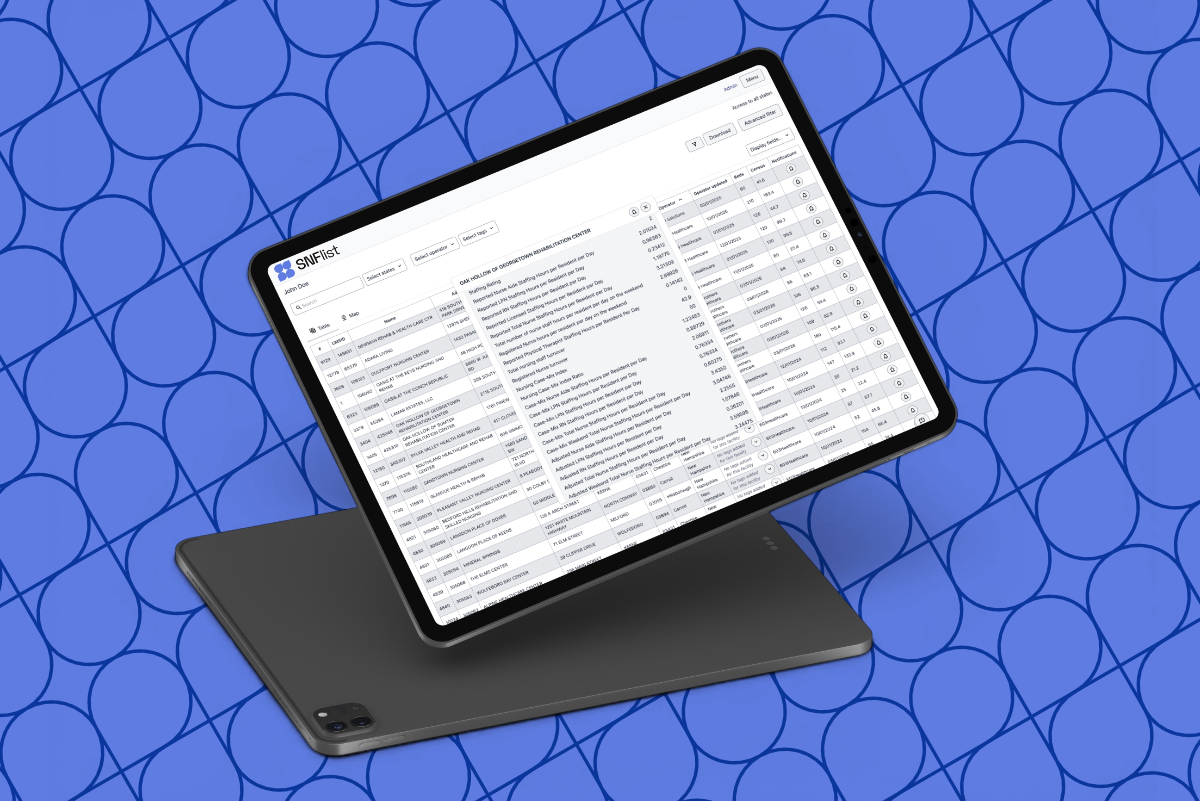




Why Staffing Needs Vary So Widely Across SNFs
Skilled nursing facilities operate under intense regulatory pressure when it comes to staffing. CMS mandates minimum nurse staffing hours per resident per day, and facilities that fall below those thresholds face penalties, citations, and reputational damage. That pressure creates a predictable pattern: facilities struggling to meet staffing minimums are almost always in the market for staffing solutions.
But the reasons behind a staffing gap vary. A facility might be in a rural area with a thin labor market. It might have high turnover driven by ownership or management issues. It might be recovering from a survey deficiency that triggered immediate remediation requirements. Each scenario represents a different kind of opportunity — and requires a different sales approach.
The Data Signals That Point to High-Need Facilities
Staffing companies that rely on cold outreach lists miss the signal in the noise. The operators who need you most are identifiable if you know what to look for:
- Staffing hours per resident day (HPRD) — CMS publishes this for every Medicare and Medicaid certified facility. Facilities consistently sitting below the national average are chronically understaffed.
- CMS star rating — staffing component — The staffing sub-rating within the 5-star system isolates staffing performance from quality and inspections. A 1 or 2-star staffing rating is a direct signal.
- Survey deficiencies related to staffing — Facilities cited for staffing-related deficiencies in recent inspection cycles have compliance urgency driving their need.
- Ownership changes — New operators frequently inherit staffing problems and move quickly to find solutions in the first 90 days.
Layering Operator Intelligence on Top
Facility-level data tells you where the need is. Operator intelligence tells you who to call. A facility might show all the signals of high staffing need, but if the operator runs 40 locations, your conversation is happening at the corporate level — not with the administrator on site.
Understanding the ownership structure behind a facility helps you route your outreach correctly, personalize your pitch to the decision maker's portfolio context, and avoid wasting time talking to someone who doesn't control the contract.
Building a Prioritized Target List
The most effective SNF staffing sales teams combine facility-level need signals with operator-level contact intelligence to build a tiered prospect list:
- Tier 1 — Facilities with low staffing ratings, recent staffing citations, and operators known to use third-party staffing solutions
- Tier 2 — Facilities trending downward on staffing hours with no recent citations yet — early intervention opportunities
- Tier 3 — Large operator portfolios where a single relationship unlocks multiple facilities
This kind of prioritization turns a generic outreach motion into a targeted, intelligence-driven sales process — and dramatically improves conversion rates.
The Bottom Line
The SNF staffing market is large, but your runway to close a deal is narrow. Facilities in crisis need solutions fast, and they'll go with whoever reaches them first with a credible pitch. Data-driven prospecting is how you get there first.